
Questions Every Real Estate Investor Should Ask Sellers Before Making an Offer
Many investors believe finding good deals is all about making offers. In reality, the quality of your offer depends on the quality of the conversation you have with the seller.
Johnoson Crutchfield shares the questions he asks when speaking directly with property owners. These aren't scripts designed to pressure sellers—they're conversation starters that help uncover motivation, understand the property's history, and determine whether there's a deal worth pursuing.
The goal isn't to interrogate the seller. It's to understand their situation well enough to determine whether you can provide a solution that works for both of you.
Quick Takeaways
Start by Understanding Why They're Selling
The most important question you can ask a seller is simple:
"Why are you selling?"
The answer often reveals far more than the property's condition or asking price. Some sellers are retiring. Others are tired of managing rentals. Some need cash for another investment, while others simply don't want the responsibility anymore.
If the answer is simply, "I need the money," don't stop there. Ask what they plan to do with the money. That follow-up question usually uncovers the real motivation behind the sale.
Understanding why someone is selling helps you determine whether you can solve their problem—and motivated sellers are often much easier to negotiate with than sellers who simply want top dollar.
Learn the Story Behind the Property
After understanding the seller's motivation, the next step is learning about the property itself.
Questions like:
- When did you purchase the property?
- Is it currently occupied?
- When was the last time someone lived there?
- Do you live near the property?
These answers provide valuable context before you ever visit the home.
For example, a property that's been vacant for several years may require significantly more repairs than one that's currently occupied. Likewise, a seller who hasn't visited the property in years may not have accurate information about its condition.
The more you understand about the property's history, the better prepared you'll be to evaluate the opportunity.
Ask Questions That Reveal Motivation
One of the biggest themes throughout the episode is identifying motivated sellers.
Questions like:
- How soon are you looking to sell?
- Have you received any other offers?
- What happens if the property doesn't sell in the next six months?
These questions reveal urgency without sounding aggressive.
Johnoson demonstrates this during a live call with a seller who openly admits she's retiring and is simply tired of being a landlord. That conversation immediately tells him far more than a list price ever could.
Motivation often determines whether a deal is possible, so it's worth discovering before spending hours analyzing comparable sales or repair estimates.
Don't Be Afraid to Pause the Conversation
Many newer investors feel pressured to have every answer during the first phone call.
Johnoson encourages the opposite.
If you have enough information to continue your research, it's perfectly acceptable to tell the seller you'll look into the property and call them back.
That gives you time to review comparable sales, verify ownership information, estimate repairs, and think through possible offer strategies without feeling rushed.
Professional investors don't pretend to know everything immediately. They gather information, evaluate the opportunity carefully, and return with a well-informed offer.
If You Remember One Thing...
The best investors aren't necessarily the ones asking the most questions—they're the ones asking the right questions.
Every conversation with a seller should help you understand their motivation, the property's condition, and whether there's an opportunity to create a win-win solution.
Listen more than you speak, avoid treating conversations like an interrogation, and remember that building rapport often uncovers information that no spreadsheet or property search ever will.
When you focus on understanding the seller before making an offer, you'll make better decisions and build stronger relationships that lead to more successful deals.
Close Your Next Deal in 90 Days
Join the FREE Grab the Map Method™ Live Training and discover the proven system that's helped investors close over 300 real estate deals.

About Johnoson Crutchfield
Johnoson Crutchfield is a real estate investor, coach, and host of the Grab the Map podcast. He helps aspiring and active investors move beyond analysis paralysis and take the consistent actions required to close real estate deals.
Drawing from years of hands-on experience, Johnoson teaches practical, real-world strategies focused on finding opportunities, building relationships, securing funding, and making offers. His approach emphasizes weekly execution over endless education, helping investors create momentum through simple, repeatable actions.
As the leader of the Wealth and Real Estate community, Johnoson shares lessons from real transactions and real conversations with lenders, sellers, and investors. He is a strong advocate for local banking relationships, seller financing, and private lending as powerful tools for growing a real estate business.
Through coaching, content, and community, Johnoson has helped investors gain clarity, build confidence, and take meaningful steps toward closing their first—or next—deal.

The One Number Every Real Estate Investor Must Know Before Buying a Property
Walk into almost any real estate investing event, and you’ll hear the same conversations. “What’s the purchase price?” “What’s the ARV?”
“How much equity is in the deal?”
Those numbers matter—but according to real estate investor Johnoson Crutchfield, they’re not the numbers that determine whether you’ll actually make money.

The 5 Ways Real Estate Pays You (That Most New Investors Overlook)
Most people get into real estate for one reason: Cash flow. The idea of collecting rent every month is what attracts many first-time investors. While cash flow is certainly one of the biggest advantages of owning investment property, it’s only one piece of a much larger wealth-building strategy.

How to Get Started in Real Estate Investing From Scratch
Nearly everyone who wants to invest in real estate asks the same question:
“Where do I start?” Many people assume they need perfect credit, a large bank account, or years of experience
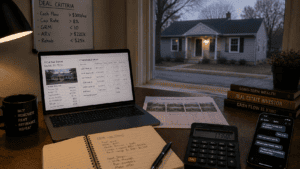
Real Estate Reality Check: 5 Lessons Every Investor Should Learn Before Making an Offer
Some of the best investment opportunities don’t come from expensive marketing campaigns—they come from simply being visible and responsive.
Johnoson Crutchfield walks through a real transaction that started with a wholesaler sending him a text message about a property in Tupelo, Mississippi. Instead of spending days going back and forth, he immediately asked for the information he actually needed: the address, asking price, and photos. From there, the conversation quickly moved toward determining whether the property was worth pursuing.